Understand the Game. Trust the Numbers.
Learn how we turn data into predictive insights.
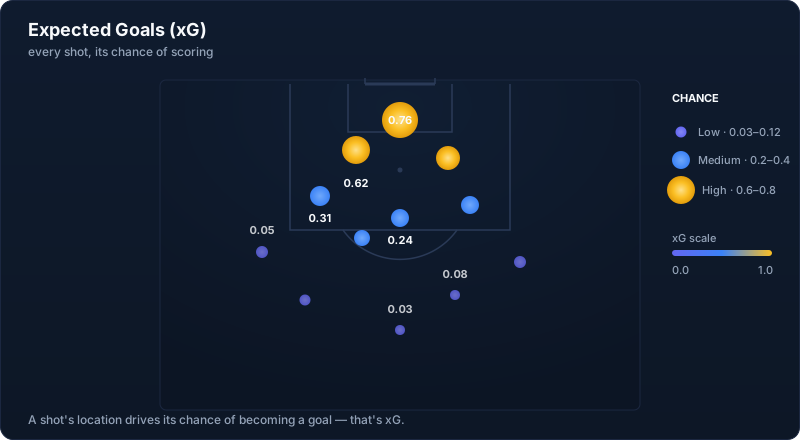
What is xG? The Complete Guide
Understand how expected goals measures the quality of scoring chances, and why it predicts better than shots alone.
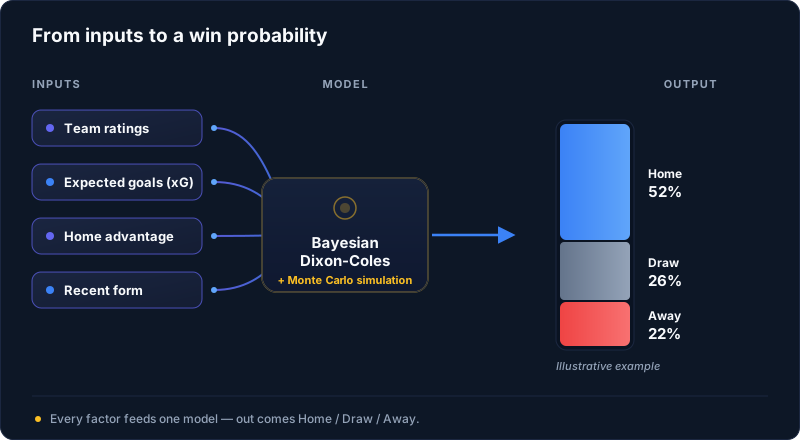
How We Calculate Win Probabilities
A walkthrough of the model pipeline that turns team ratings and form into home/draw/away probabilities.
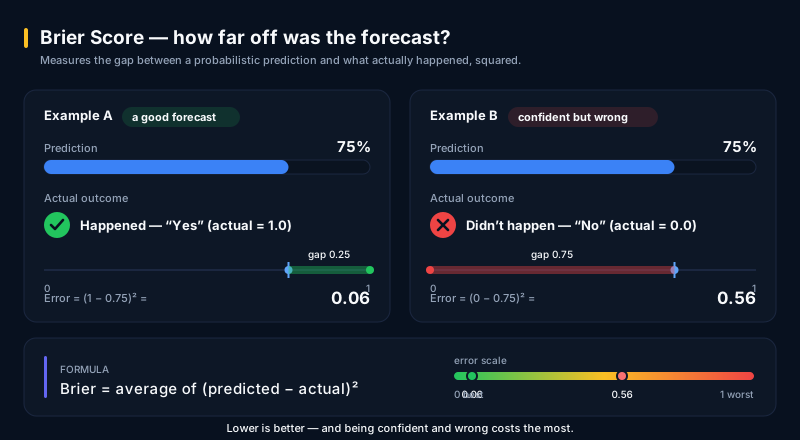
Understanding Brier Score
The standard measure of forecast accuracy, and how we use it to hold our models accountable in public.
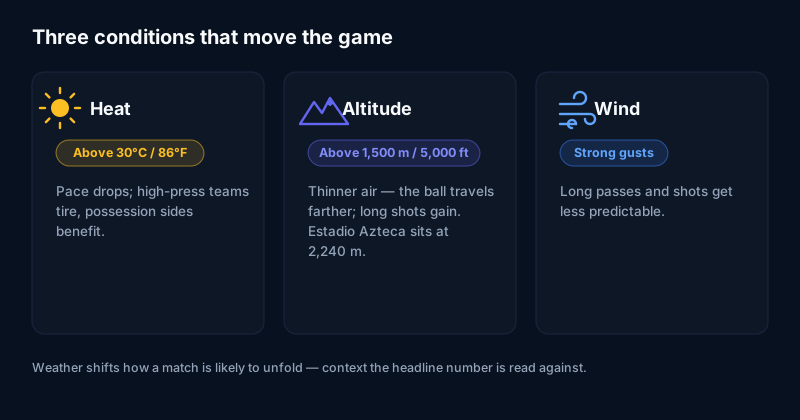
How Weather Affects Football Matches
Wind, rain, and heat measurably shift scoring. Here is how we fold weather into match projections.

World Cup 2026 Format Explained
48 teams, 12 groups, and eight best third-place finishers. The new format, made simple.
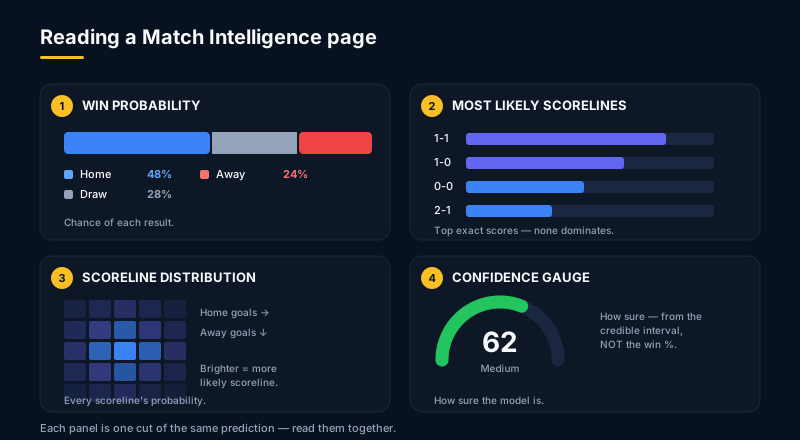
How to Read Our Match Intelligence Page
A guided tour of probabilities, scoreline distributions, the confidence gauge, and the factors panel.
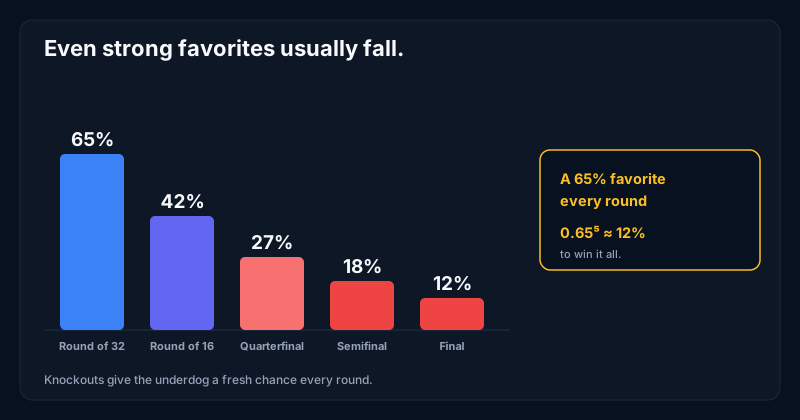
Why Upsets Happen in Knockout Soccer
A clearly better soccer team can still lose a single knockout match, and across several rounds those small risks compound into upsets.
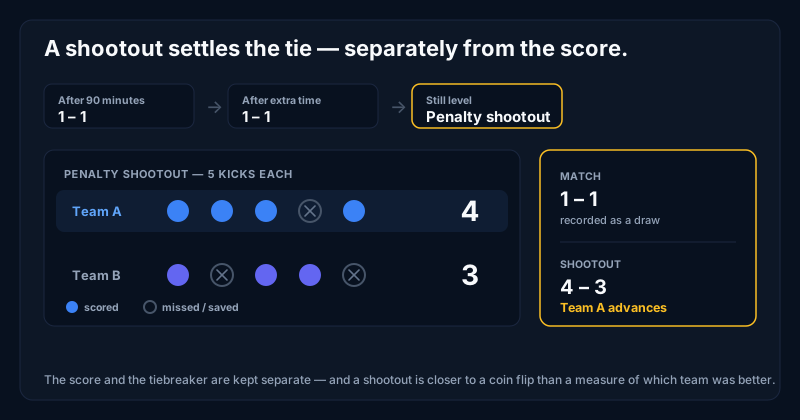
Extra Time and Penalties, Explained
A knockout match can't end level, so a tie goes to extra time and then a penalty shootout — here's how that works, and how to read it on ParallaxEdge.
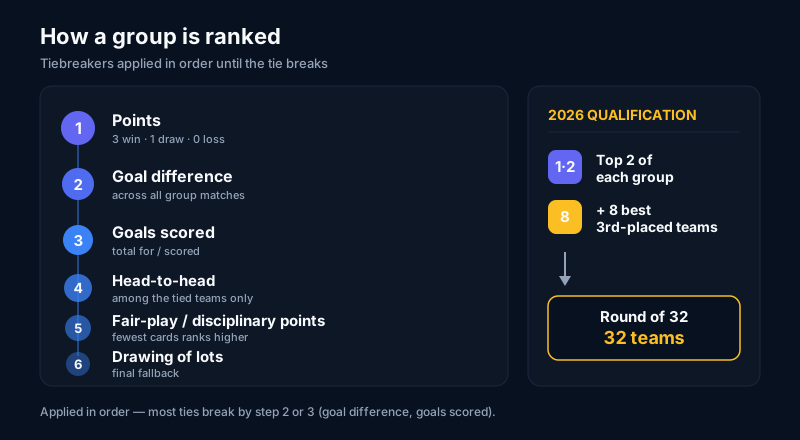
Group-Stage Tiebreakers, Explained
A plain-English guide to how World Cup groups are ranked, how ties are broken, and how the 2026 third-place rule works.
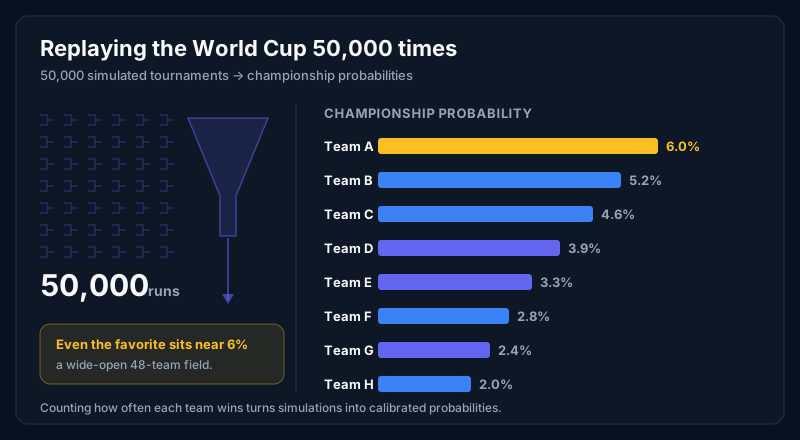
Simulating a Tournament: What 50,000 Runs Reveal
Instead of guessing one bracket, we play the entire World Cup fifty thousand times and read the patterns that emerge.
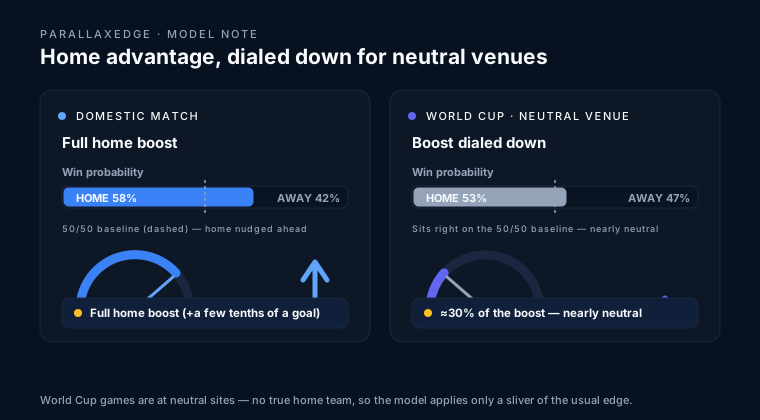
Home Advantage: How Much Is It Worth?
Home advantage is one of sport's most dependable effects, and a good model has to know exactly when to trust it.
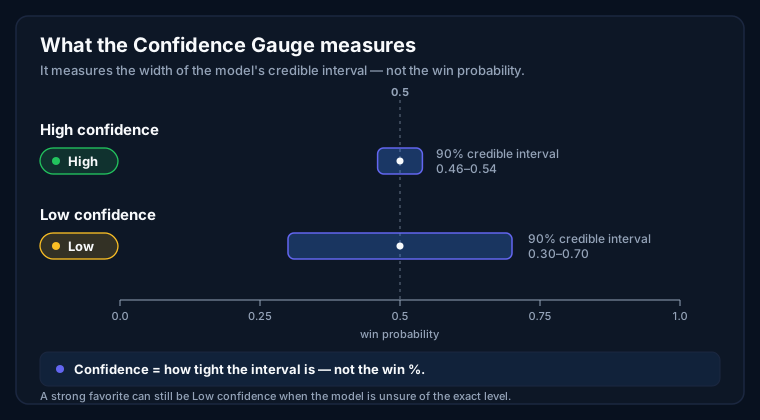
Reading the Confidence Gauge
The Confidence Gauge isn't the favorite's win probability — it's a separate score for how sure the model is about its estimate.
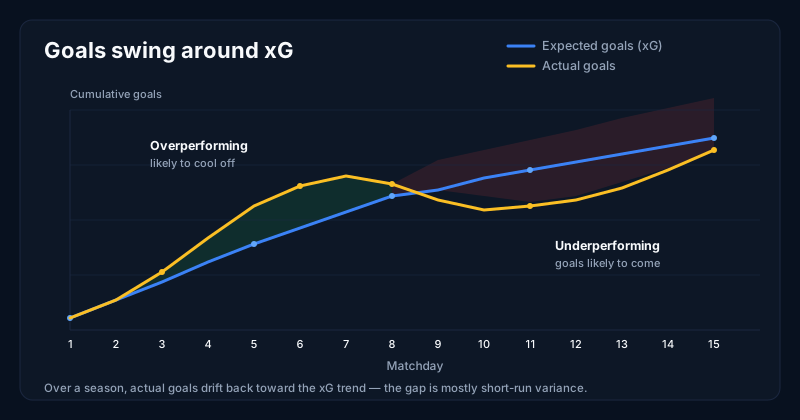
xG vs Goals: Why They Diverge
When a team's expected goals and its actual goals disagree, that gap is information about luck, skill, and what is coming next.
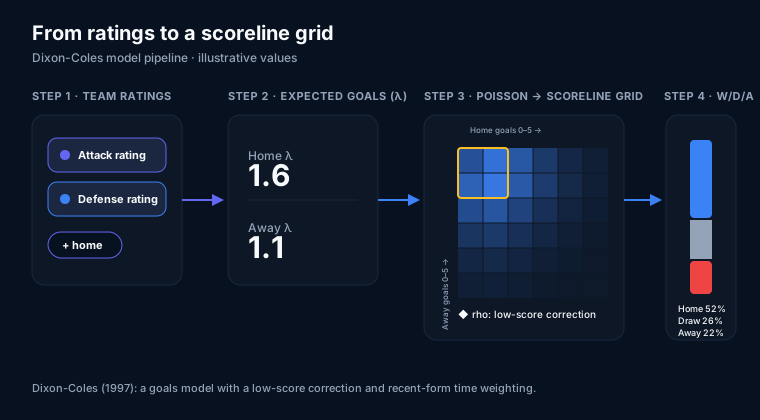
What Is Dixon-Coles?
Dixon-Coles is the goals-based statistical model behind ParallaxEdge's match forecasts and tournament simulations, explained here in plain language.
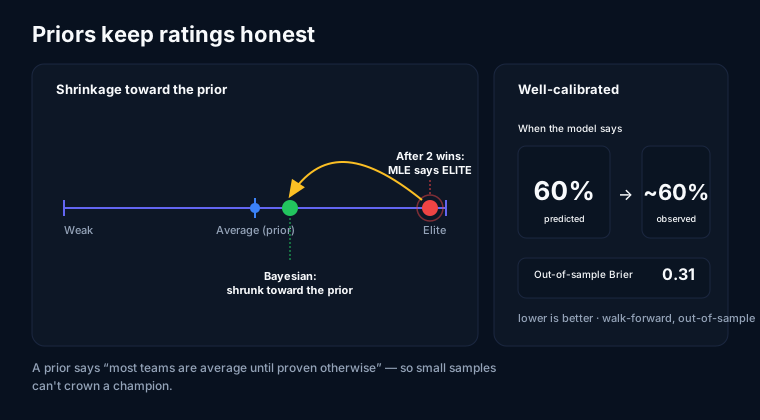
Why Bayesian? Priors and Regularization
Fitting from data alone lets two lucky wins crown a champion; Bayesian priors keep ratings honest, stable, and trustworthy.
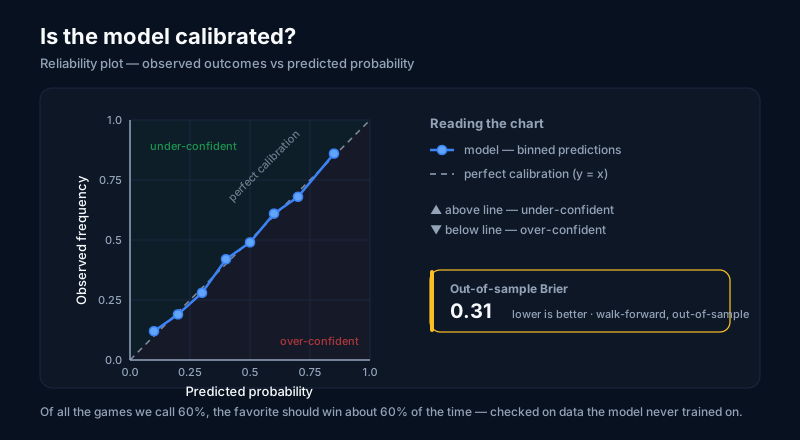
Is the Model Calibrated?
A calibrated model is one whose probabilities mean exactly what they say, so a stated chance is a real chance.